10/08/26
Best of the West: Protecting Western Wildlife, Investment in Rural Health Care, Advancing Quantum Computing, Utah Reads, and more!
The Western Governors' Association keeps you updated on the latest news in the West. Here are the top stories for the week starting October 11, 2026.
The Western Governors' Association keeps you updated on the latest news in the West. Here are the top stories for the week starting October 11, 2026. (Photos courtesy of Utah Department of Transportation, Colorado Department of Transportation, Hawaii Department of Transportation, the Office of California Governor Gavin Newsom, and the Office of Utah Governor Spencer Cox.).
The West’s iconic wildlife is central to the region’s identity. In recent weeks, several projects were launched to conserve critical habitats, protect wildlife migration corridors, and preserve the landscapes that make the West unique.
The National Fish and Wildlife Foundation (NFWF) announced $13.3 million in funding for projects throughout Arizona, California, Colorado, Idaho, Montana, Nevada, New Mexico, North Dakota, Oregon, Utah, and Wyoming. The grants are being distributed from the Western Big Game Seasonal Habitat and Migration Corridors Fund, and the funding will be used to conserve critical winter ranges and migration corridors for mule deer, elk, pronghorn, moose, and other wildlife.
However, NFWF’s grants are just one piece of the puzzle, as states across the West are also pursuing their own efforts to help wildlife and people coexist safely.
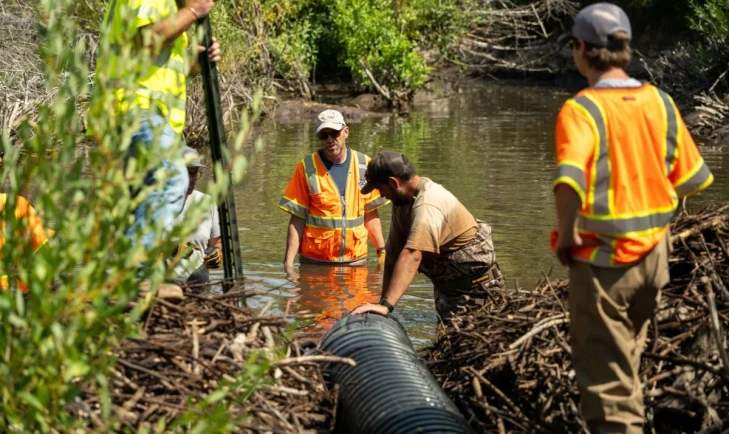
The Utah Department of Transportation is testing a new approach in Logan Canyon that allows beavers to remain in their habitat while protecting nearby roads from water damage. Three pond levelers installed along Beaver Creek will regulate water levels behind beaver dams, helping prevent erosion and road damage while preserving the environmental benefits of beaver ponds, including improved habitat, water quality, and fire resilience.
In Idaho, the Idaho Transportation Department teamed up with Idaho Fish and Game, the Greater Yellowstone Coalition, the Idaho Conservation League, and Bear Lake County to install the Rocky Point Wildlife Underpass. This project features three underpasses to give wildlife safe passage underneath the roadway.
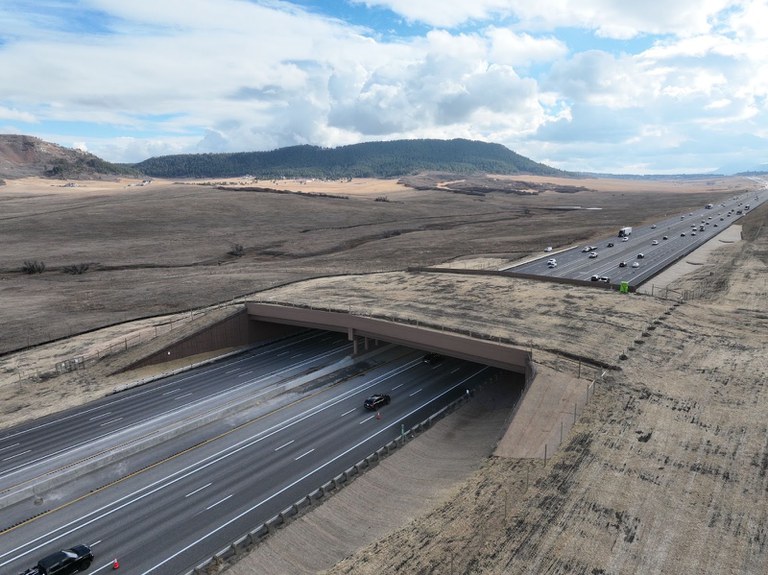
Similarly, the Colorado Department of Transportation has reported that its construction of the largest wildlife overpass in North America, which was completed in December 2025, has reduced wildlife collisions by over 90%. The overpass has allowed safe passage for deer, elk, bears, and coyotes, as well as smaller animals such as rodents and reptiles.
Wyoming Governor Mark Gordon signed an updated executive order reaffirming the state’s commitment to conserving Greater sage-grouse while maintaining state management authority over the species. The order updates Wyoming’s Core Area Protection Strategy, including a five percent surface disturbance cap and seasonal restrictions in designated Core Areas, while encouraging responsible development and maintaining existing agricultural activities.
Across the Pacific Northwest, scientists and citizen scientists are using tiny digital trackers to follow monarch butterflies as they migrate south, helping identify important habitat along their migration routes. By better understanding where monarchs travel and stop along the way, researchers can identify areas where habitat conservation efforts can help protect the species and the ecosystems they rely on.
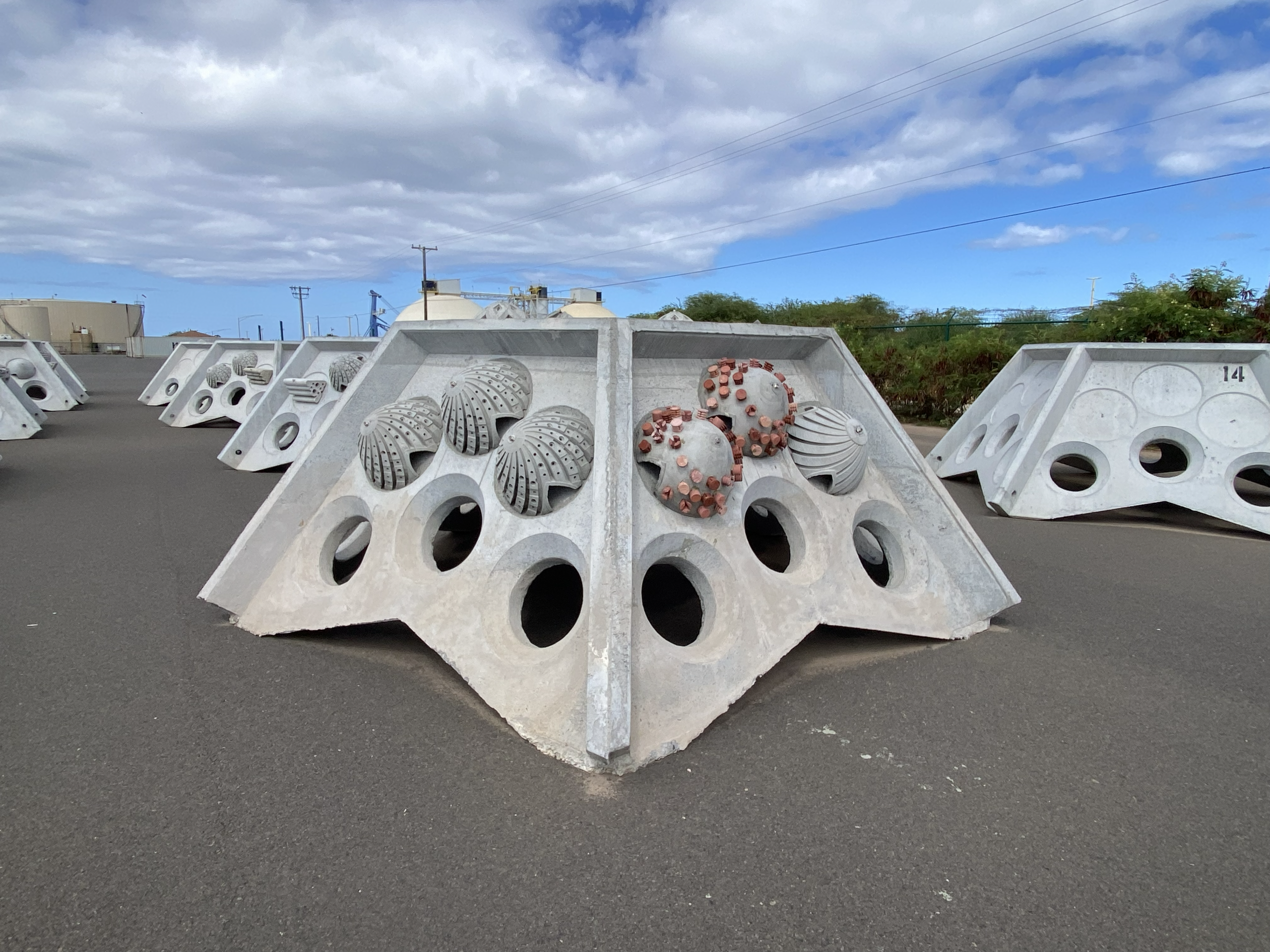 In Hawaiʻi, 60 multi-ton reef structures now sit in Kalaeloa Harbor on Oʻahu, providing new habitat for marine life as well as protection for the harbor itself. The goal of the specialized structures is to create a living breakwater that will reduce wave energy coming into shore, support a healthier coral reef ecosystem, and slow coastal erosion.
Scientists at the National Oceanographic Atmospheric Administration's Alaska Fisheries Science Center announced the discovery of nine new species of deep-sea sponges in the Gulf of Alaska and Aleutian Islands, bringing the total number of known sponge species in Alaska to 232. The discoveries are helping researchers better understand fragile seafloor habitats and provide information that can support sustainable fisheries and habitat protection.
__________________________________________________________________________________
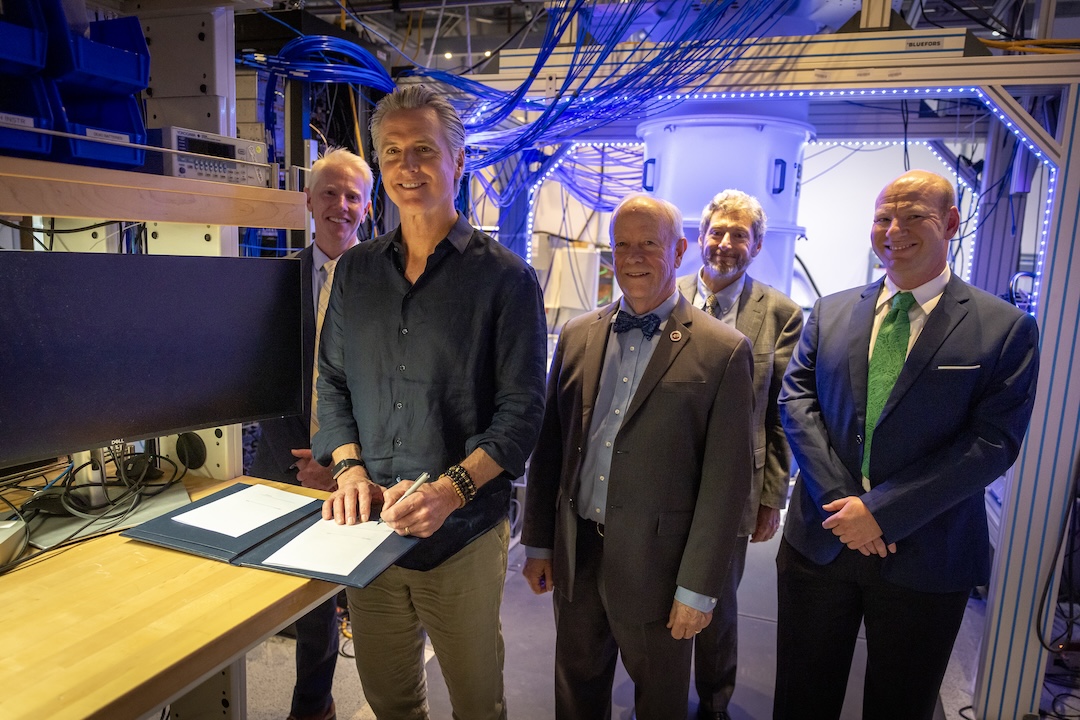 Quantum Computing: California Governor Gavin Newsom signed legislation to accelerate the development of quantum and fusion energy in the state and announced a new $30 million investment in quantum and deep-space research.
“California has always been where big ideas become real-world breakthroughs,” said Governor Newsom. “Today, we continue our work to grow quantum and fusion technologies in our state — creating a stronger framework and workforce to the infrastructure needed to support it. Through cutting-edge research and continued investments, we are moving past what is possible, and instead shaping what comes next.”
To learn more about how Western states are approaching quantum computing, check out WGA’s Out West podcast episode featuring Colorado Governor Jared Polis and other quantum industry professionals across the West.
Shared Stewardship in Nevada: Nevada Governor Joe Lombardo renewed the Nevada Agreement for Recreation Shared Stewardship, continuing a partnership among state and federal agencies. “By working together through Shared Stewardship, we can improve access to outdoor recreation while supporting rural communities, local businesses, and an industry that contributes billions of dollars to Nevada’s economy.”
For more on Western Governors’ policy on Shared Stewardship, read WGA Policy Resolution 2024-02, National Forest and Rangeland Management.
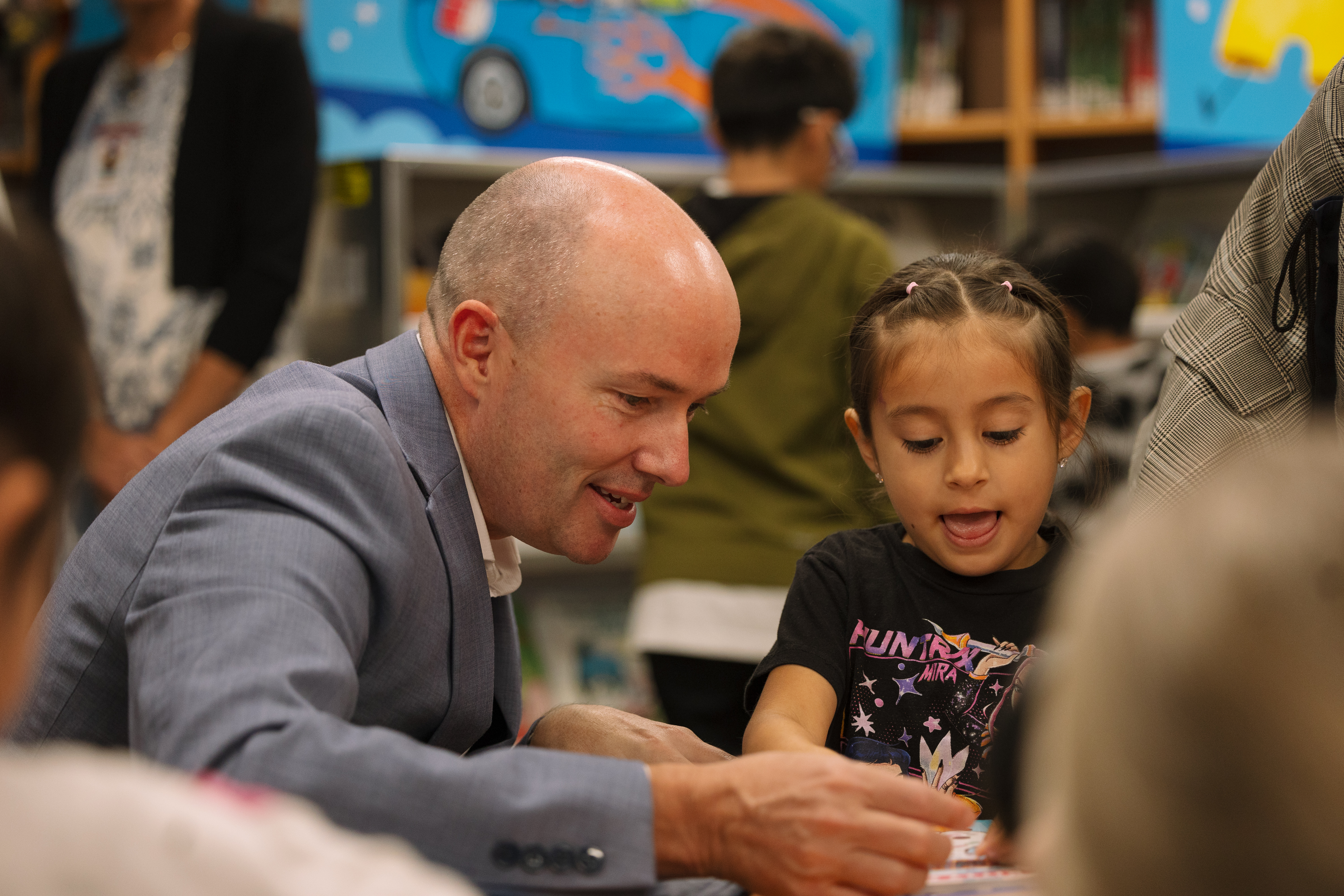 Utah Reads: Utah Governor Spencer Cox kicked off the first statewide Utah Reads Read-a-Thon, with more than 275,000 students and adults expected to participate across the state. “When our kids see older students, their parents, and adults at work making time to read, it helps them see that reading matters at every age,” Governor Cox said. The event is part of Utah Reads, a statewide effort to help children build strong reading skills and encourage Utahns of all ages to make reading a habit.